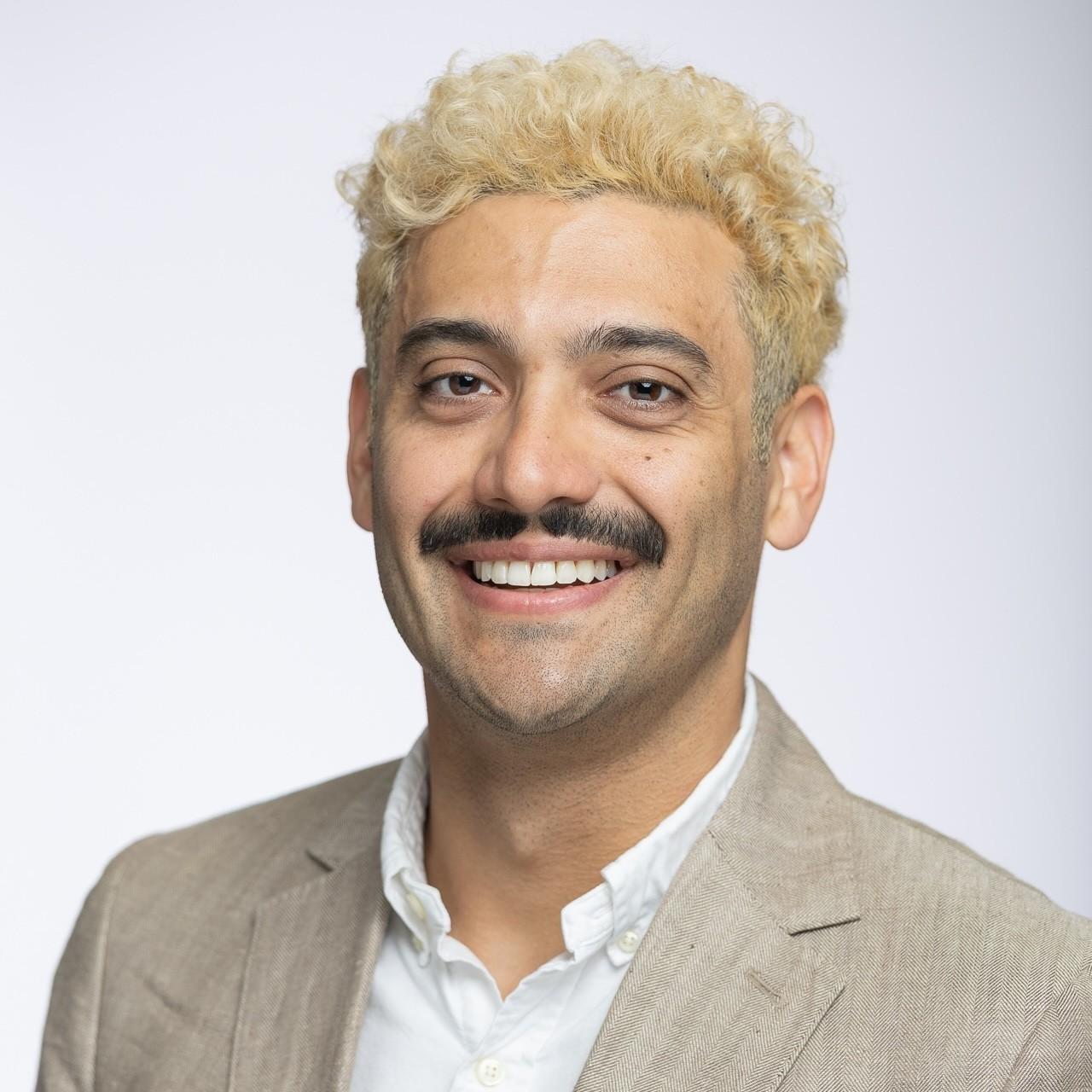
Mr William Carlson-Jones, Oral Health Therapist
BOralHlth GCertOralHlthSc (Adel) GCertEdStudies (HigherEd) (Syd) MBA (Accounting) (S.Cross) FHEA PhD Candidate (Qld)
William 'CJ' Carlson-Jones is an Oral Health Therapist currently working as a Lecturer in the Discipline of Oral Health with the University of Sydney.
CJ brings a wealth of clinical experience within public and private dental practice in rural South Australia, and in clinical education teaching into the undergraduate and postgraduate oral health programs at the University of Adelaide. Completing his undergraduate and postgraduate studies in oral health, education and business administration, CJ has strong aspirations to raise awareness of the important roles played by oral health professionals in improving access to care. CJ has also commenced further studies undertaking a Doctor of Philosophy with the University of Queensland. His research will focus primarily on impact the transitional workforce from dental therapist to oral health therapist might have upon consumers, public dental services, tertiary institutions, and regional areas.
In addition to his clinical and educational roles, CJ is a Past President and Life Member of the Australian Dental & Oral Health Therapists' Association (ADOHTA), now the Oral Health Association of Australia (OHAA). He is a strong advocate for a team approach to dental care. CJ has been actively involved in the association for many years and continues to passionately advocate for the oral health profession.
Contacts That Count: Contemporary and Predictable Class II Restorations with Sectional Matrices
This 3-hour hands on workshop will quip Oral Health Therapists and Dental Therapists to master predicable class II restorations using matrix systems
Learning Objectives
By the end of this workshop, participants will be able to:
1. Select and correctly place sectional matrix systems to achieve optimal proximal contacts and contours in Class II restorations.
2. Demonstrate proper wedge and ring placement techniques to enhance matrix adaptation and minimise common errors.
3. Utilise instrumentation effectively to improve composite handling, contouring, and finishing outcomes.
4. Apply evidence-based principles for achieving predictable proximal contacts and marginal integrity.
5. Identify and troubleshoot common challenges in Class II restorations, including open contacts, overhangs, and poor emergence profiles.
6. Perform a complete Class II composite restoration using a sectional matrix system in a simulated hands-on setting